
Healthy Municipalities and Communities (MCS)
The Healthy Municipalities and Communities (MCS) project sought to enable families, leaders and local authorities in rural areas to improve their living conditions through self-care, community organisation and the promotion of healthy environments.
She worked with a special emphasis on the health of girls, boys and women, promoting changes in the home, the community and the municipality.
Scope and duration of the project
Funding: United States Agency for International Development – USAID.
1. First stage (2006–2010)
- 1,764 communities and neighbourhoods.
- 153 districts in 13 regions of Peru: San Martín, Ucayali, Huánuco, Ayacucho, Pasco, Cusco, Junín, Huancavelica, Apurímac, Lima, Ica, La Libertad and Áncash.
2. Second stage (2010–2015):
-
-
- 176 communities.
- 15 districts in Ucayali, San Martín and Ayacucho.
-
The communities involved were mainly mountain and jungle communities, with difficult geographical access, high poverty rates, poor water and sanitation services, and the presence of coca leaf crops.
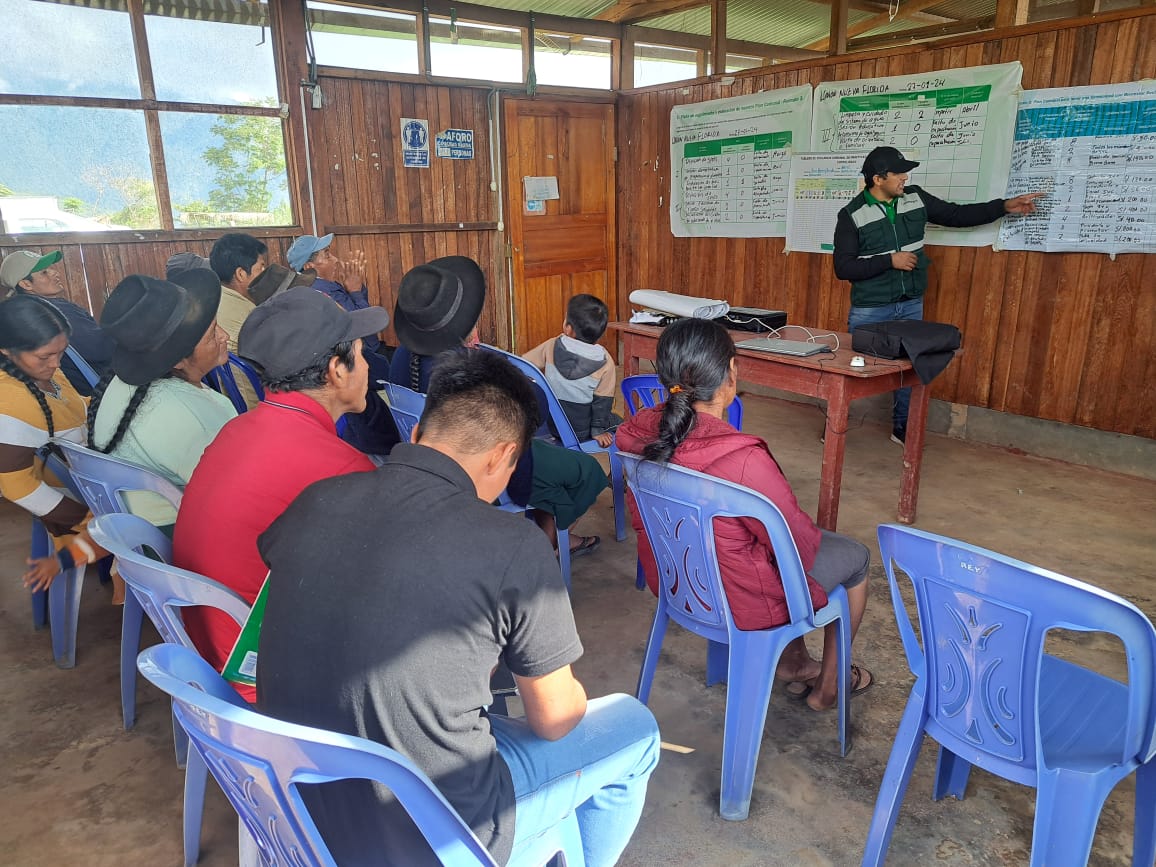
How do we work? MCS Methodology
The project was based on the Healthy Families, Communities and Municipalities methodology, with a participatory approach that respects local culture.
The work was carried out in four phases:
1. Awareness raising and organisation
- Families commit to becoming ‘healthy families’ and build their vision for change.
- At the community level, Community Neighbourhood Councils (JVC) are strengthened and a shared vision for development is defined.
2. Planning
- Families conduct a self-assessment of their environment and health practices, and define commitments and rules for coexistence.
- The community draws up its communal diagnosis, the healthy practices monitoring form and its communal plan, prioritising simple and achievable actions.
3. Execution
- Supporting families in implementing their commitments to change.
- Educational sessions, information campaigns, and technical assistance to the JVCs to implement the community plan, strengthening social cohesion.
4. Self-assessment and local management
- Families review their progress and new challenges.
- The community evaluates achievements and challenges, reinforcing the role of the JVC.
- We work with local governments to integrate this information into their management (Concerted Development Plans and Participatory Budgeting), using the SISMUNI system, which organises community-based information.
The methodology includes a toolkit for families, communities, and municipalities (guides, vision boards, assessments, plans, and communication materials such as radio spots and posters).
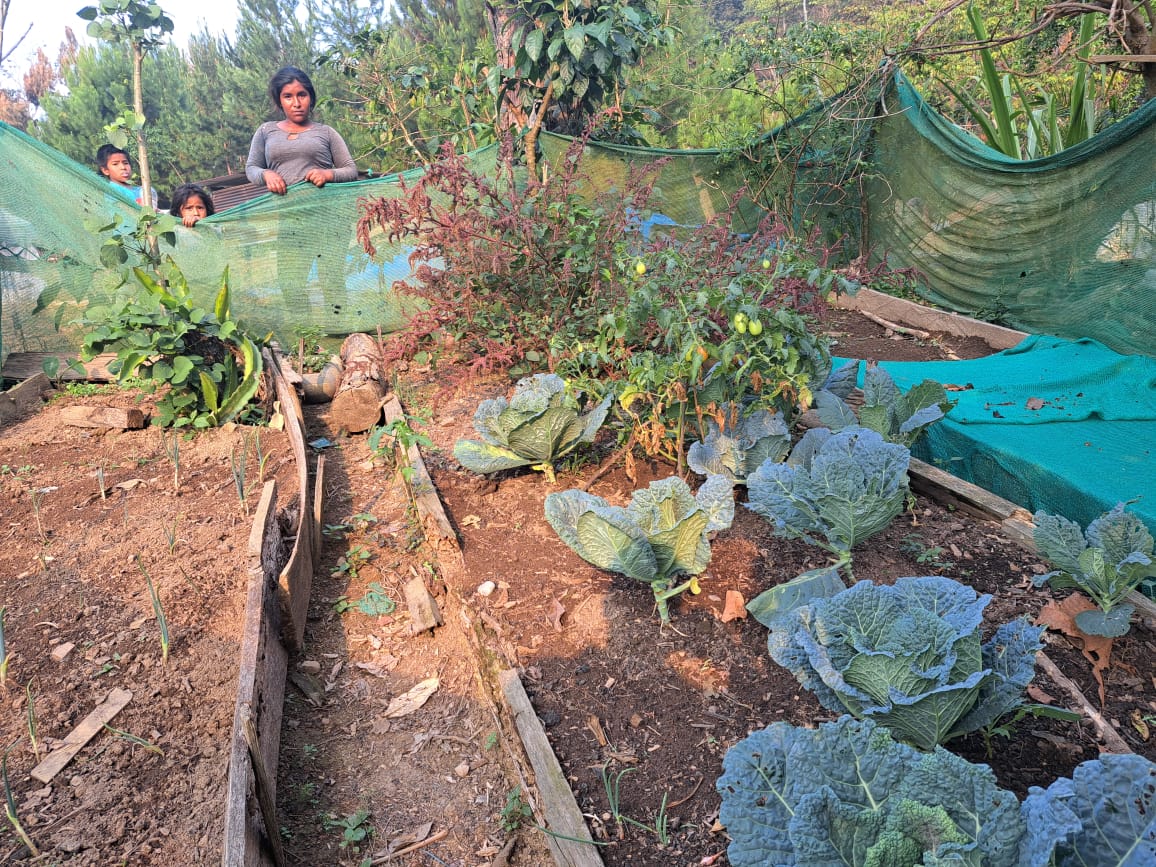
Results and impact
Between 2006 and 2015, the Healthy Municipalities and Communities (MCS) project supported more than 1,900 rural communities in 13 regions of Peru, improving health, community organisation and local management.
Girls and boys with a better start in life
-
Birth certificates for children under 2 years of age: from 69% to 84%.
-
Children aged 0 to 23 months with national identity cards: from 24.7% to 51.7%.
-
Chronic child malnutrition (0 to 23 months): from 16.8% to 15%.
-
More health checks and care:
-
CRED in children under 1 year of age: up to +20 percentage points.
-
Pregnant women with ≥ 6 prenatal check-ups: from 68.2% to 79.5%.
-
Births in health facilities: from 75% to 82%.
-
Healthier homes with safe water
-
Safe water consumption in children aged 6 to 23 months:
-
First stage: from 27% → 70%.
-
Second stage: from 73% → 81.3%.
-
-
More children aged 6 to 23 months with ≥ 5 meals per day.
-
Families with better hygiene, nutrition, and daily care practices.
More organised communities with greater social capital
-
Increase in share capital in three dimensions:
-
Social trust: improvement of up to +86 percentage points.
-
Sentido de colectividad: de aprox. 23% → 44–62%.
-
Collective efficacy: from approx. 10.8% → 40–44%.
-
-
Stronger community neighbourhood councils recognised as key players in local development management.
Better local management with information from the community
-
Implementation of the SISMUNI system, which integrates information from communities for:
-
Update the Agreed Development Plan.
-
Focus the Participatory Budget on real needs.
-
-
Methodology and toolkit (healthy family, community and municipality) ready to be used and replicated by local governments.

