Implementation of the Social and Communication Intervention Plan for the Pachacútec Macroproject – Stage 3 (WWTP and submarine outfall)
The purpose of the expansion and improvement of the drinking water and sewerage system for the Pachacútec macro-project – Stage 3 was to adequately treat wastewater in the area and ensure safe discharge into the sea, in compliance with national environmental standards.
In this context, MSH Peru was responsible for implementing the Social and Communication Intervention Plan, with one main objective: to ensure that the work was carried out with social acceptance, informed participation and in a climate of peace, reducing conflicts and strengthening the sustainability of the sanitation system. Funded by the company ACCIONA.
Scope of intervention

2019 - 2020
Ventanilla District, Lima
How do we work?
The strategy combined communication for development, institutional communication and social marketing, with approaches based on interculturality, gender, community participation, capacity building and environmental sustainability.

Rapid Situational Diagnosis
Communications and Social Intervention Plan

Educational and communication materials
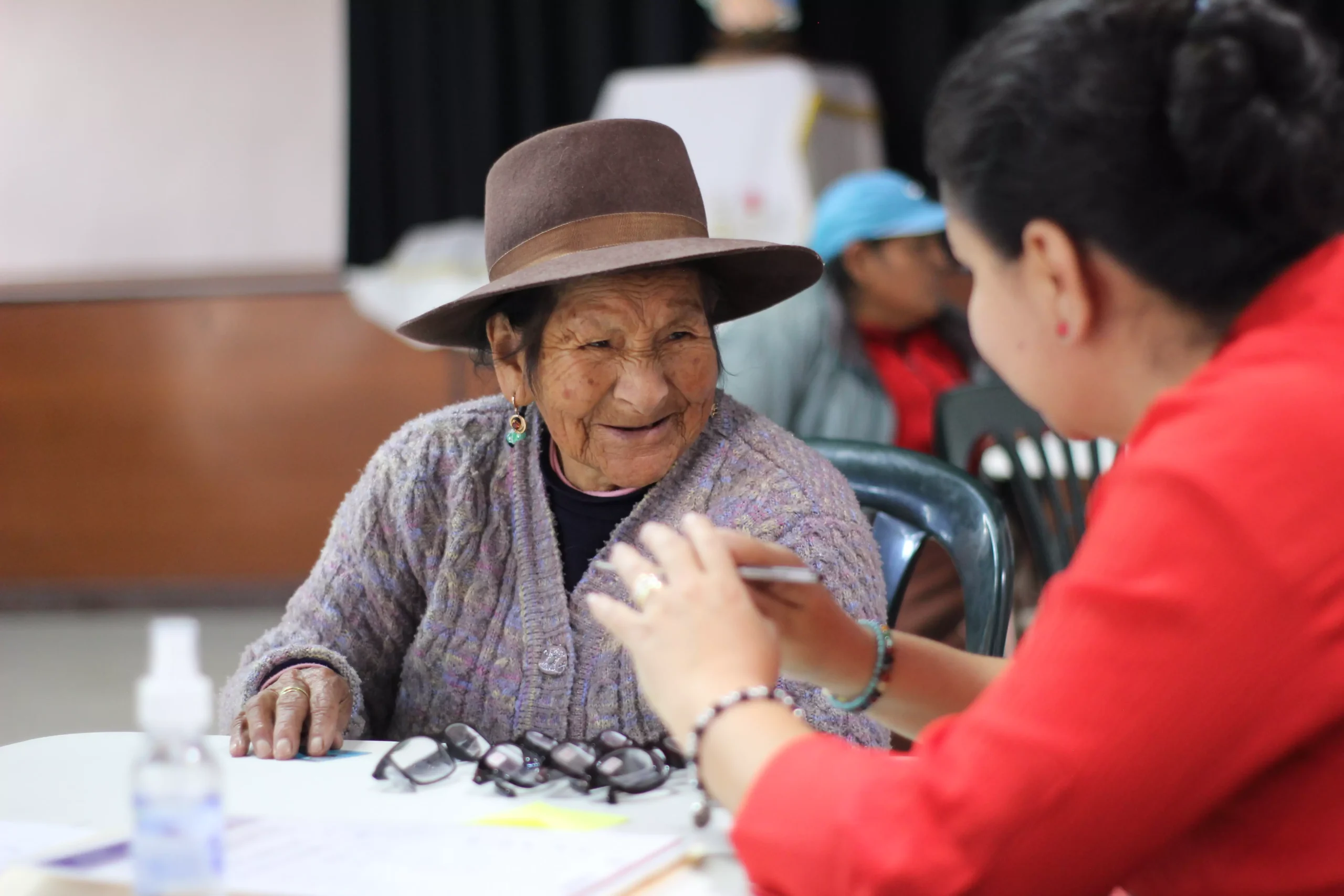
Formal mechanisms for dialogue and attention
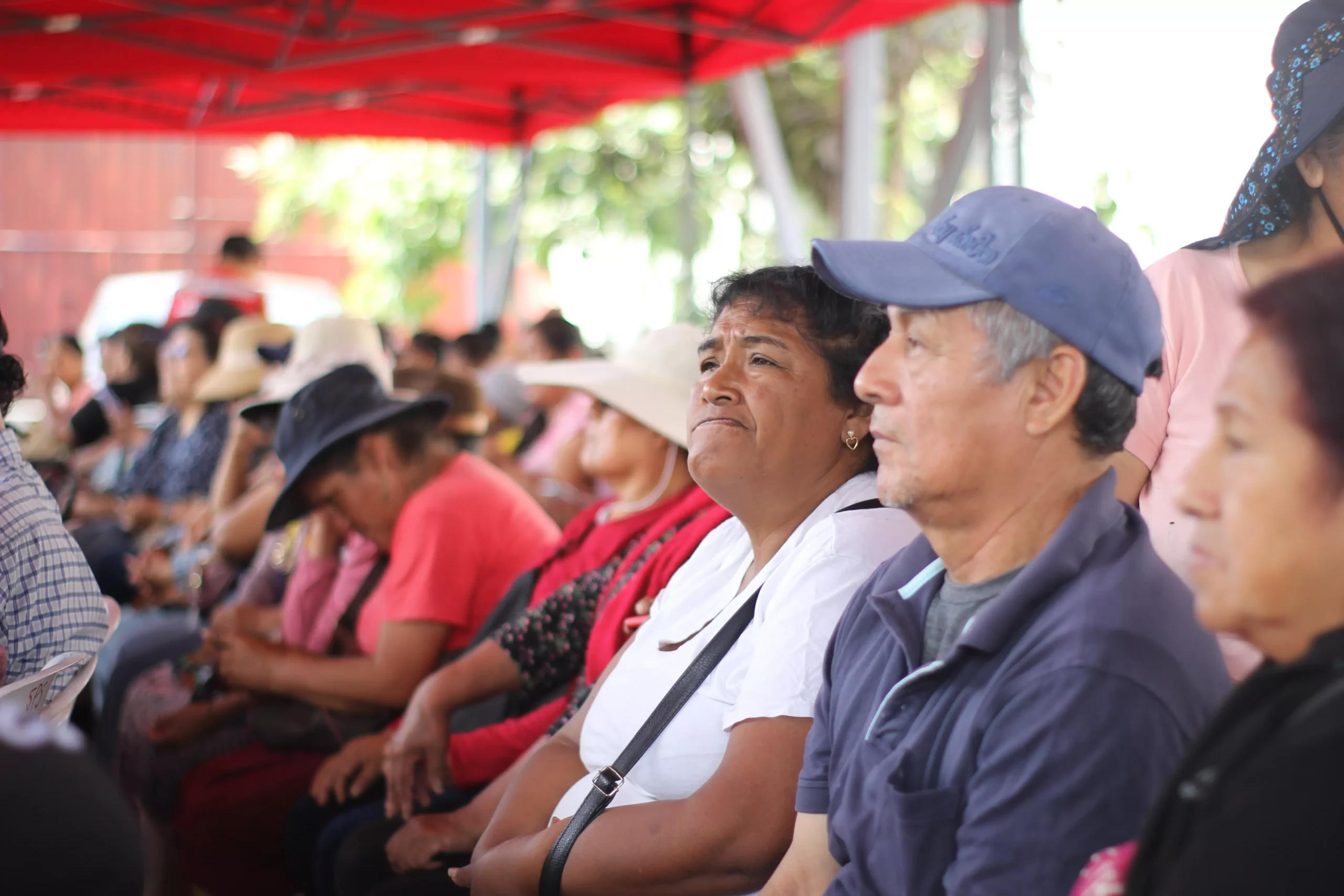
Information and consultation spaces

Social risk management on site
Results and impact
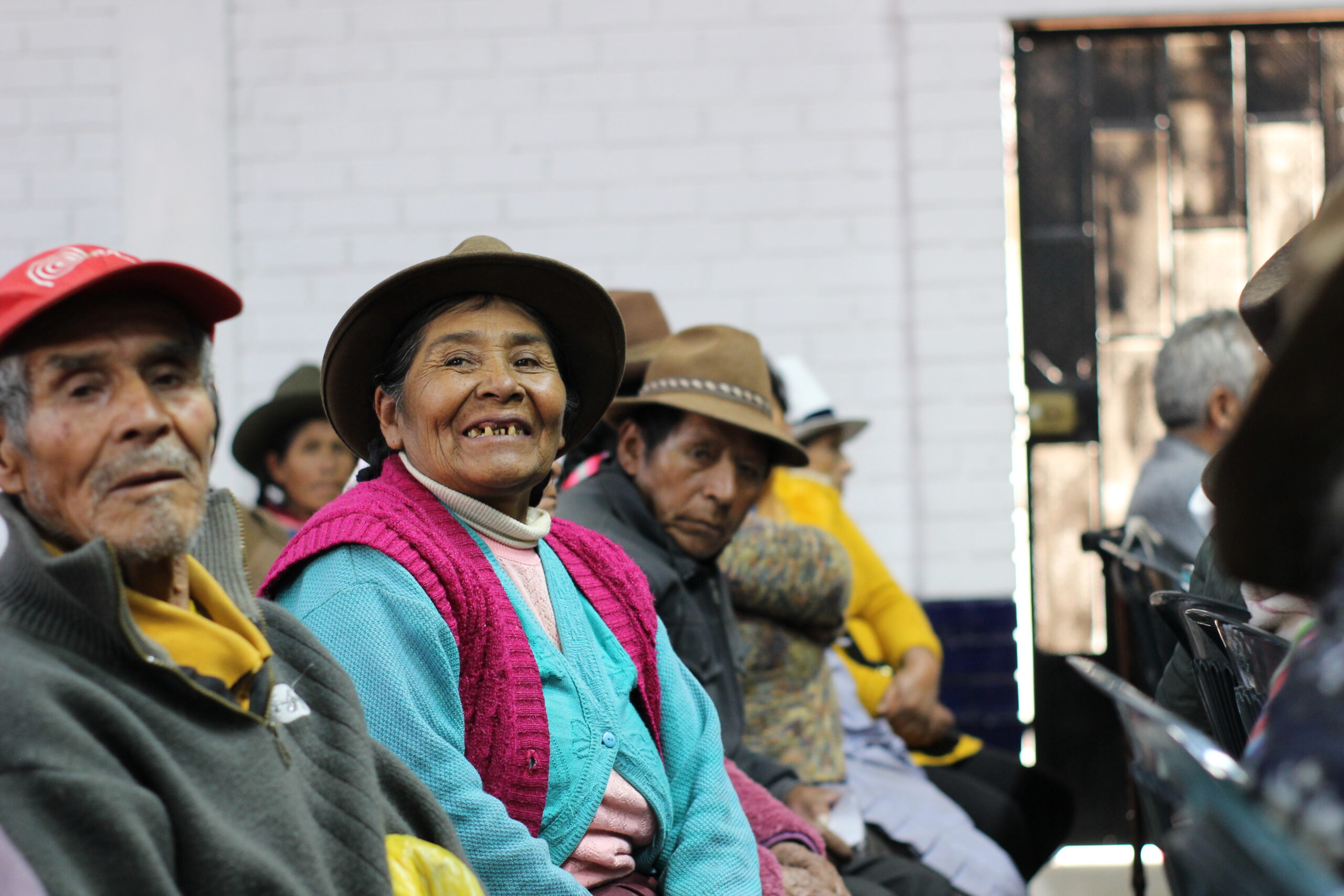
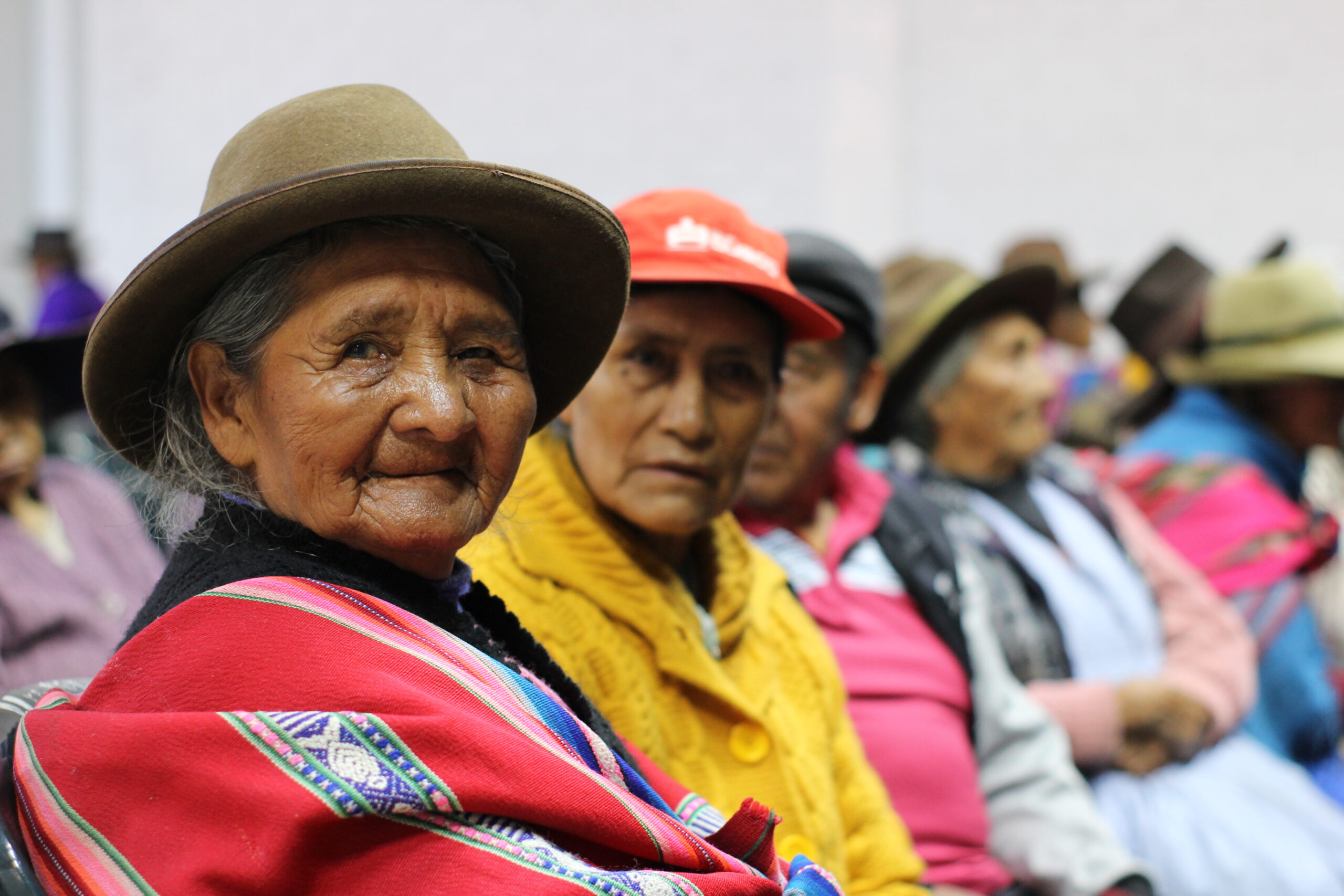
Municipal authorities, social leaders, civil society institutions and families were kept constantly informed about the progress of the project.

The population was able to learn about and appreciate the characteristics and benefits of the project: improved sanitation, odour control, reduced pollution and a healthier environment.
Formal channels of communication and informational meetings helped reduce social conflicts, prevent tensions from escalating, and sustain the social viability of the project.
A climate of social peace was created, allowing the work to be carried out within the planned timeframe.

The acceptance and sustainability of the water and sanitation system in the Pachacútec macro-project was strengthened.

Families informed to adopt better healthy practices related to water use and sanitation, contributing to improving their health and quality of life.