Effect of Social Capital on Families in the VRAEM (Peru)

A research/intervention project funded by USAID, which sought to improve the social well-being of families in 31 communities in the VRAEM (La Mar province, Ayacucho) by strengthening their social capital: trust, organisation and collective action. Although it was planned to last four years (2022–2026), it was implemented over two years and four months, achieving significant changes in health, sanitation and protection against violence.

Scope of intervention
31 communities

(17 direct intervention and 14 control) in 6 districts of the province of La Mar - VRAEM, Ayacucho.
Focal population

families with children and adolescents, community authorities and local governments

MSH-Peru's Lines of Action with Purpose

How do we work?

The project strengthened social capital through three levels of action:
Family
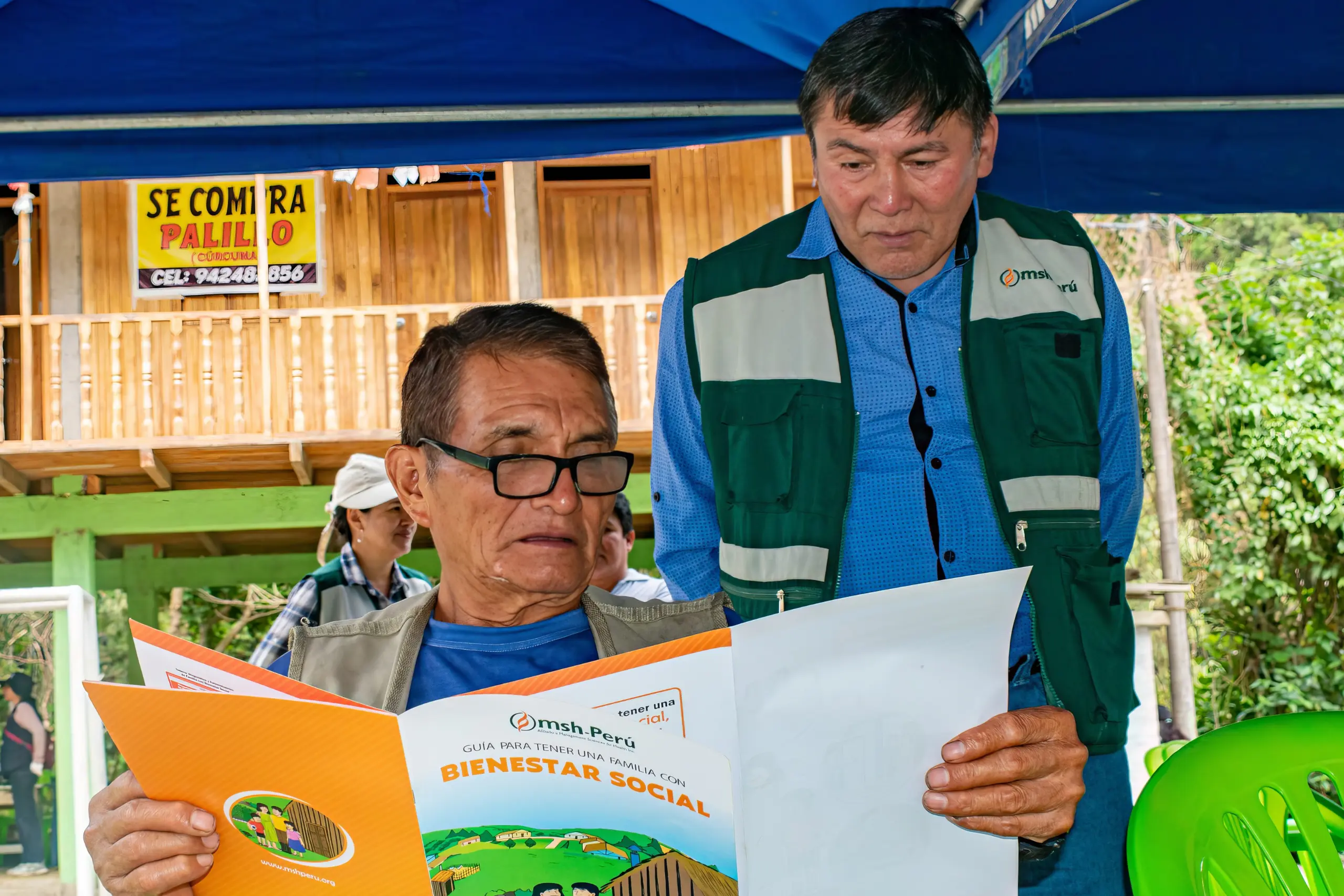
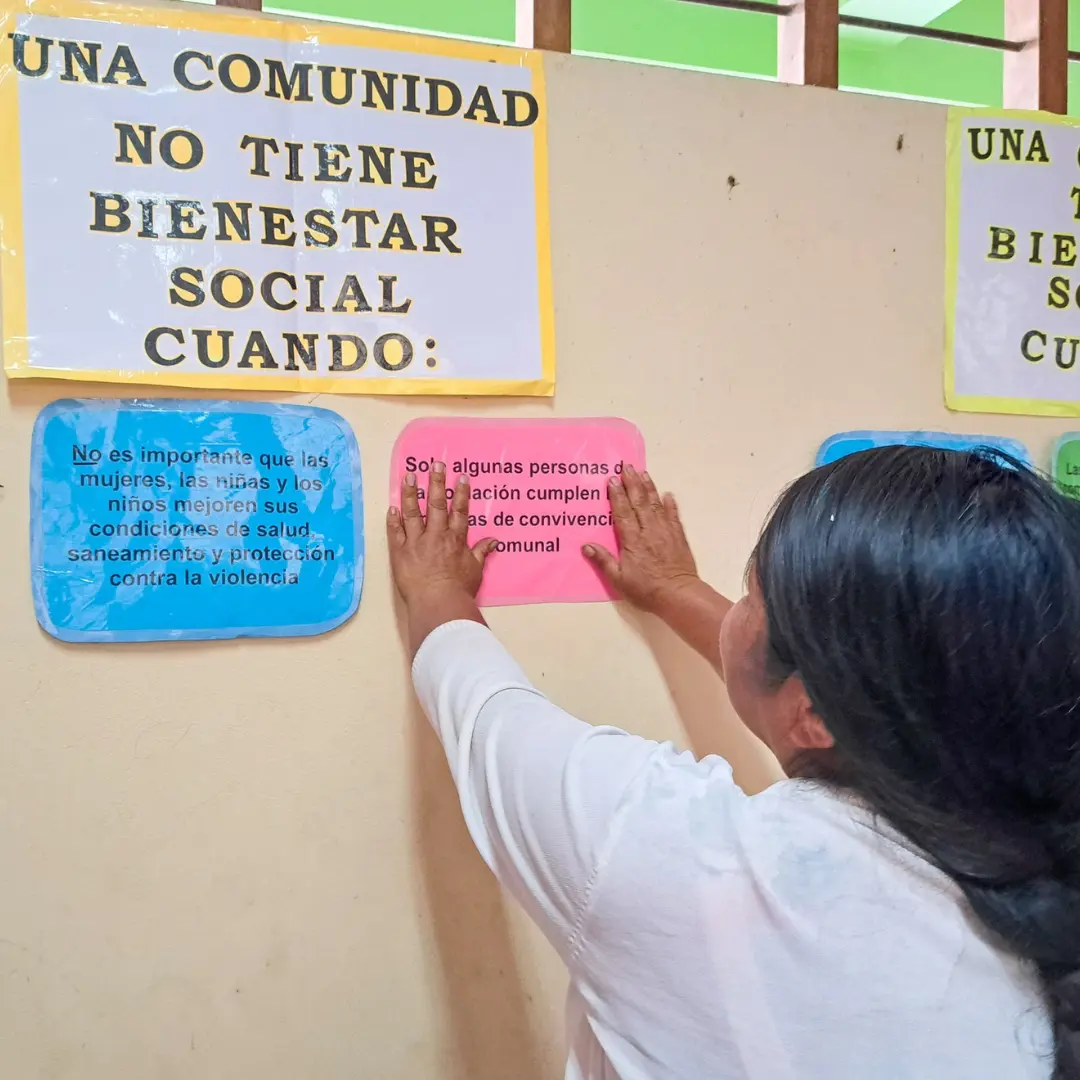
  • Practical tools such as the Guide to Social Welfare for Families and family vision, diagnosis and commitment boards.
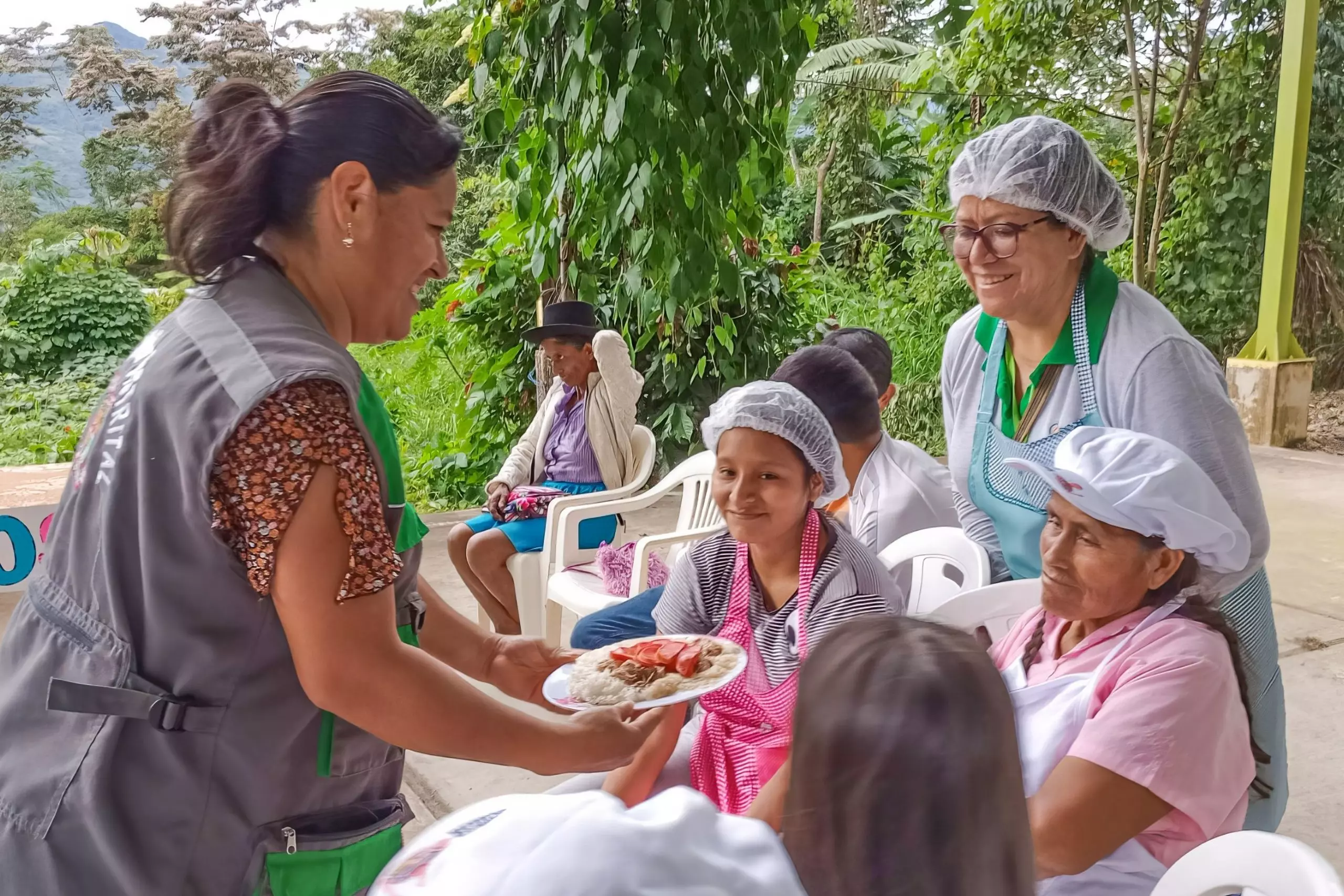
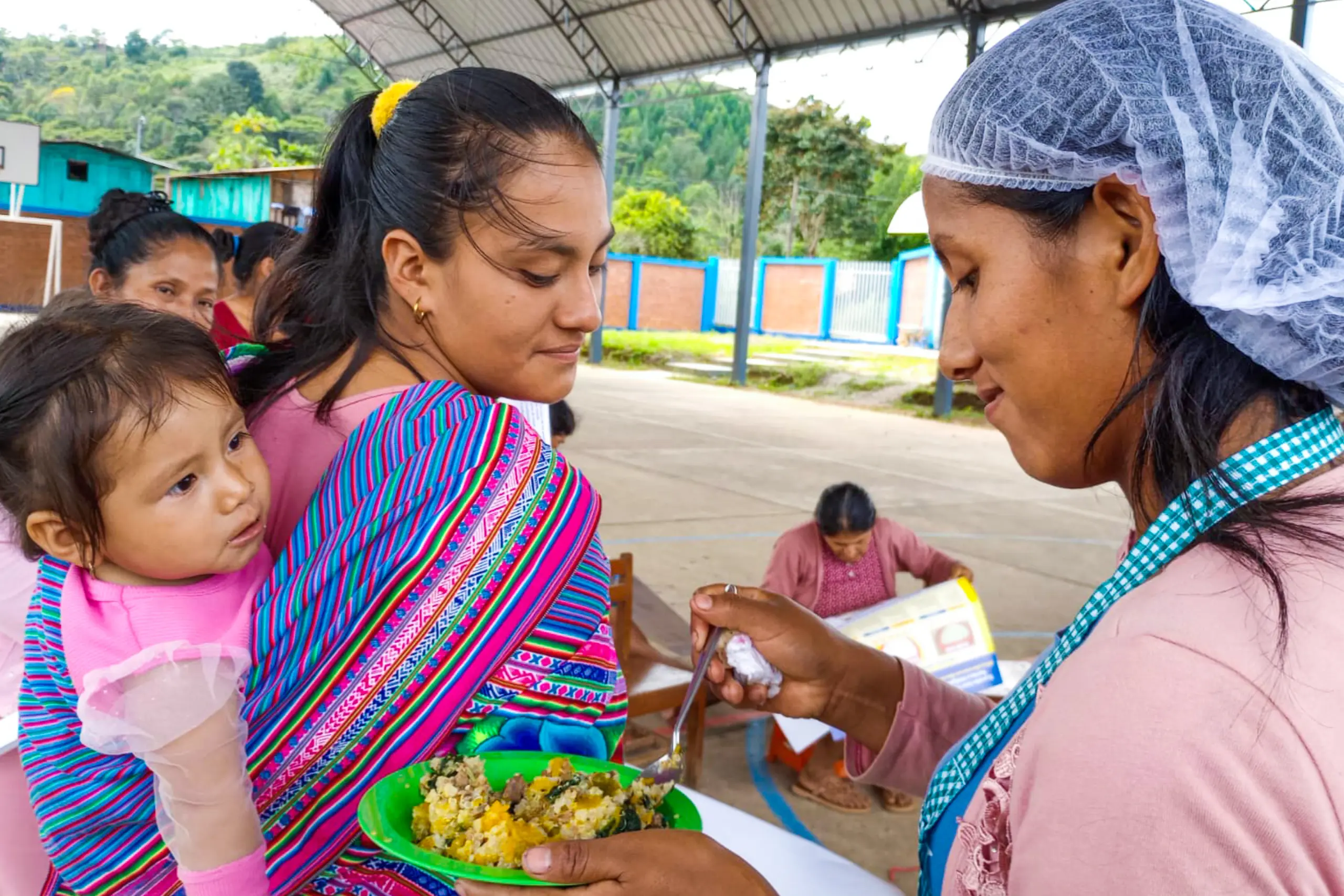
  • Educational sessions on child health, hand washing, safe water, and non-violent parenting.
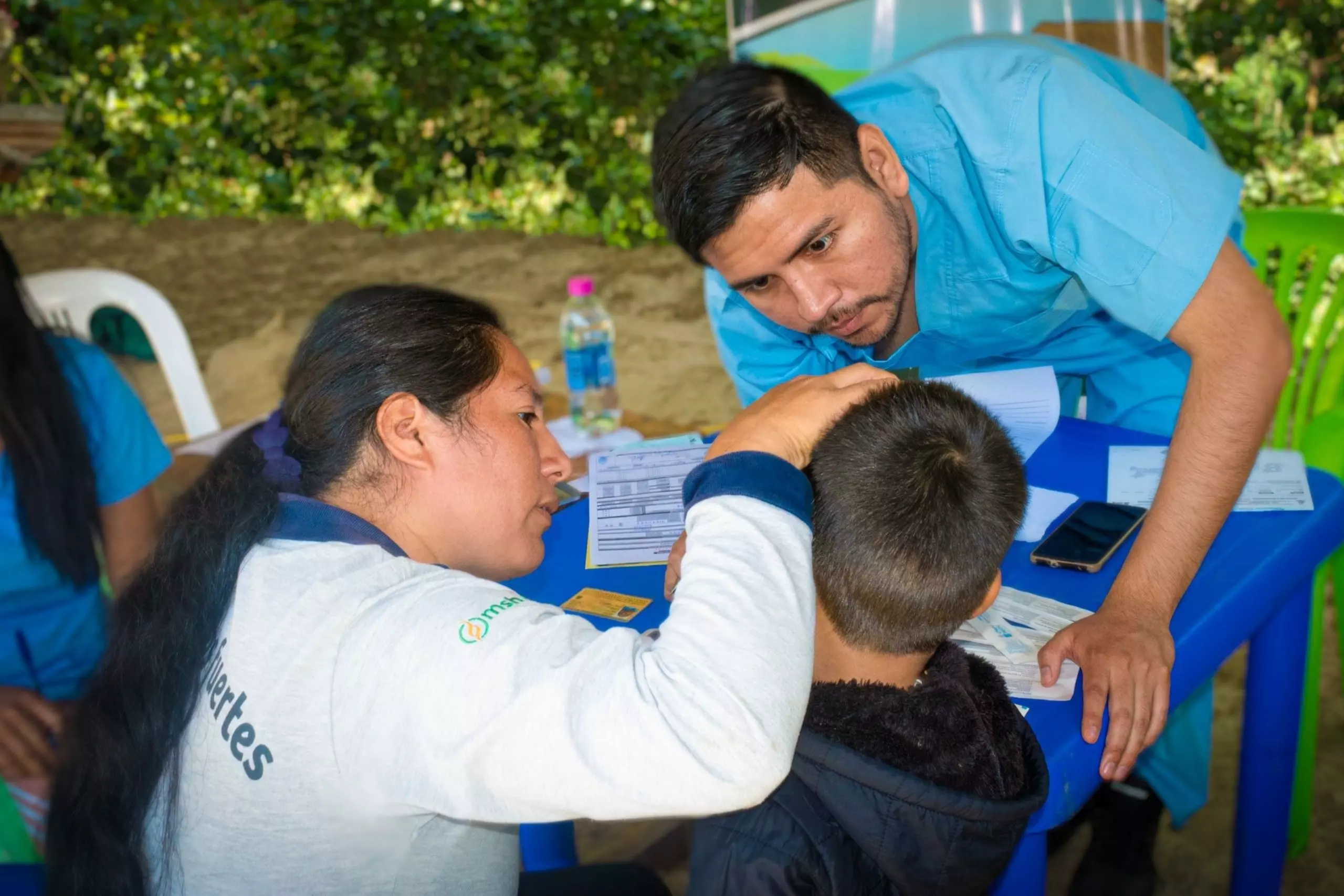
  • Home visits and delivery of kits to improve sanitation and protection in the home.

Communities

  • Formation and strengthening of Community Neighbourhood Councils (JVC).
  • Workshops on moral leadership and community management.
  • Community-level diagnostics and social welfare plans, with monitoring of health, sanitation, and protection practices.

Governments

  • Coordination with municipalities, health networks, and other stakeholders.
  • Meetings and technical assistance to involve them in community social welfare actions.

Results and impact

Families with better health, hygiene and parenting practices
  • 83% of families with children under the age of 3 improved two or more child health practices, such as reducing anaemia and increasing breastfeeding.
  • 47% of families improved at least one of two personal hygiene practices: hand washing and safe water consumption.
  • 50% of families with children and adolescents practised 5–6 positive parenting behaviours, such as: showing affection and respect, communicating daily with their children, establishing routines and rules at home.

More organised communities with shared leadership

  • 62.5% of communities fulfilled their annual community management plan to a satisfactory level (more than 61% progress).
  • 68.7% of communities managed or implemented actions to improve health, sanitation and hygiene in homes, with effective results (77% progress).
  • 62.5% of communities had neighbourhood committees recognised by the local government, with at least 40% of their members being women.
  • 100% of the JVCs prepared their community assessment and social welfare action plan each year.

Greater coordination with local governments and public services

  • 62.5% of communities fulfilled their annual community management plan to a satisfactory level (more than 61% progress).
  • 68.7% of communities managed or implemented actions to improve health, sanitation and hygiene in homes, with effective results (77% progress).
  • 62.5% of communities had neighbourhood committees recognised by the local government, with at least 40% of their members being women.
  • 100% of the JVCs prepared their community assessment and social welfare action plan each year.

Project tools

Graphic resources for the project

Radio spots for the project

Project Experience: Effect of social capital on the well-being of families in the VRAEM communities